(This review first published in Fortean Times No 472, dated July 2026)

CHILDREN’S FILM FOUNDATION BUMPER BOX VOLUME 6
Dir various, UK 1954-80
BFI, £29.99 (DVD)
“It’s a parallel universe, where finding a magic marble is just as likely as two crooks keeping you prisoner all night,” says BFI producer Vic Pratt. “They’re just different kinds of magic.”
He’s talking about the Children’s Film Foundation. For thirty years, from the mid-1950s to the mid-1980s, this publicly-funded ministry of oddness produced hundreds of films, both short and long, for successive generations of grimy British kids. Momentarily distracted from tripping up cinema ushers and flicking rubber bands at sour-faced dinnerladies, they gazed agog as a giddy procession of pond-dwelling monsters, man-sized talking rabbits and extra-terrestrial ball bearings rampaged through Saturday morning cinema clubs and musty school dinner halls alike. And while this sixth box set of CFF flicks – expertly curated by Vic and his team – might be light on the actual uncanny, it still feels like an exercise in pervasive 20th century weirdness.
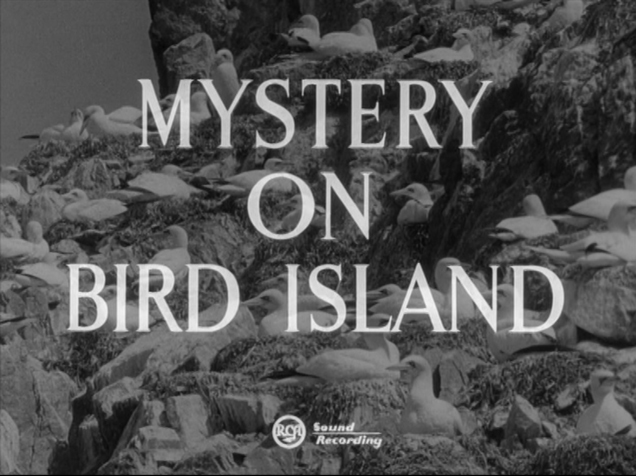
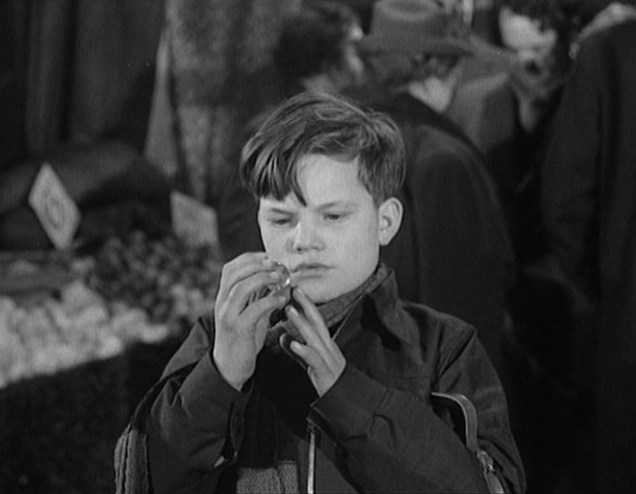
Mystery on Bird Island (1954) is the oldest film here. Filmed on (spectacular) location around the windswept Channel Island of Burhou, it’s typical early CFF fayre: a gentle caper involving stolen bird’s eggs, “gor blimey” smugglers and a surprisingly boozy contingent of corpulent local councillors. One Wish Too Many (1956), however, is a sharp left-turn into the fantastical. When Vic’s aforementioned magic marble falls into the hands of grubby urchins Peter (Anthony Richmond) and Nancy (Rosalind Gourgey), they initially use it to grant heart-tuggingly modest wishes: the possession of a doll and a toy steamroller from nearby Bermondsey market. But later scenes, in which the duo experiment with teleportation and actually freeze time in their school classroom, crackle with the same electrical intensity as early episodes of The Twilight Zone. Which, lest we forget, was still three years away from our screens at this stage.
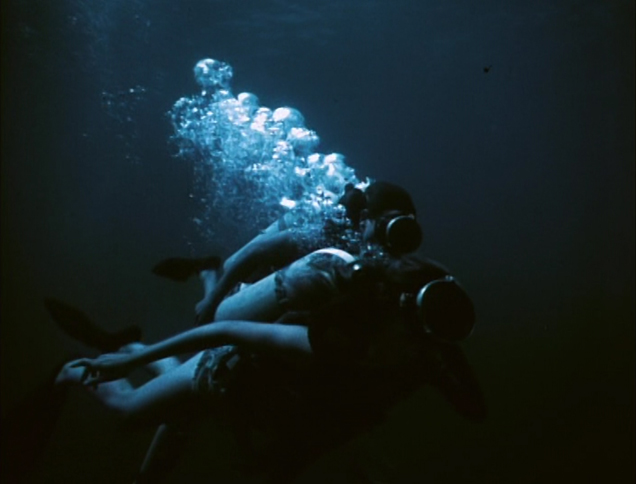
One of the multifold joys of CFF box sets is the proliferation of familiar British TV and cinema faces, many of whom would later enjoy stellar careers. The Cat Gang (1958) is another straightforward tale of contraband smuggling, but leading the cast of plucky, crime-solving kids are future BAFTA-winner Francesca Annis and the mop-haired youngster who would later become The Empire Strikes Back’s original Boba Fett: Jeremy Bulloch. Fans of classic 1970s horror, meanwhile, may splutter on their Ribena at the sight of Hilary Mason in yacht-racing drama Rockets in the Dunes (1960) – thirteen years later, she would play creepy, unsighted psychic Heather in Nicolas Roeg’s Don’t Look Now. And, hey… who’s that, diving for sunken treasure in Davey Jones’ Locker (1965)? Why, it’s a pre-fame Susan George, splashing around the Maltese island of Comino in a film that reinforces the unwritten rule of 1960s CFF: never trust anybody wearing a Breton shirt.
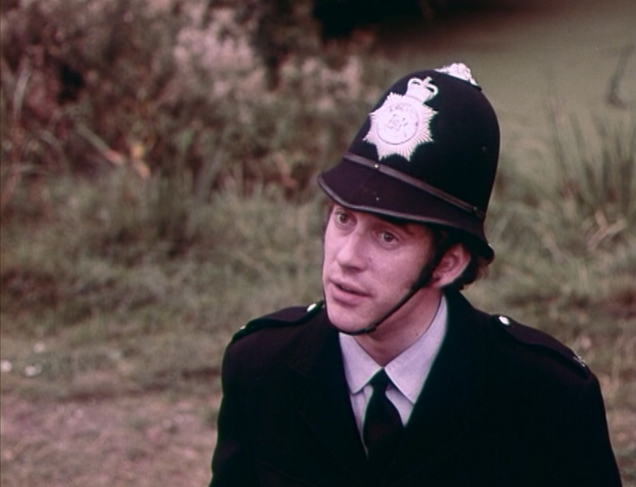
In our review of 2024’s Volume 5 (See FT446:56), Vic Pratt described the CFF canon as an alternate British film industry boasting a “Middle Earth level of complexity”. The later films on Volume 6 seem to go even further, presenting us with almost an alternate version of British life in the 1960s and ‘70s. Lionheart (1969) features a cast of comedy stalwarts (Wilfrid Brambell, Irene Handl, Jimmy Edwards, Joe Brown) but they operate within a skewed facsimile of the Home Counties, a languid dreamscape where it’s entirely unremarkable that three children should hide an escaped lion in a disused barn. Smokey Joe’s Revenge (1974) adds a sentient steam engine to the mix, a chortling behemoth that wreaks havoc around a sleepy village patrolled by genial copper (and future Blake’s 7 star) Gareth Thomas. Like so many CFF films of the period, it exists in the same rarefied universe as the more outré comic strips from Whizzer and Chips, lacking only a grim tower of mashed potato with blackened sausages protruding from the sides.
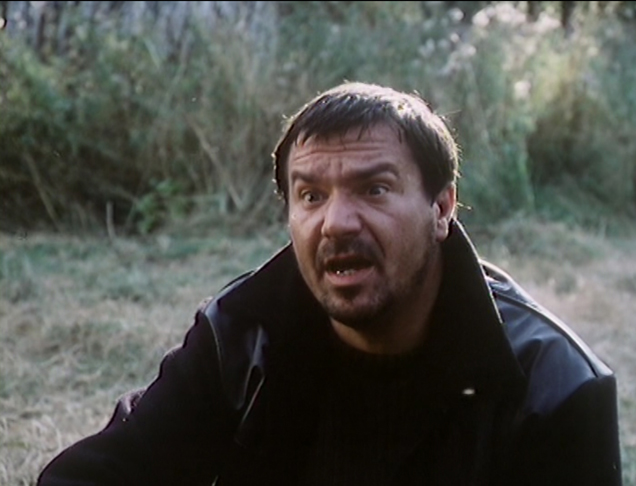
As funding waned and cinema audiences dwindled, the final wave of CFF films was frequently overlooked, but – thanks to the continued efforts of the BFI – the foundation’s neglected swansong is finally finding new and appreciative audiences. Black Island (1978) is easily the pick of the whole box, a gritty thriller in which two mismatched schoolboys absconding from a Grange Hill-style field trip are taken hostage on a tangled Essex islet by a pair of escaped convicts. It boasts the best performance on the set too, with Michael Elphick exuding barely-controlled fury as the more homicidal of the desperate duo. And while the concluding Danger on Dartmoor (1980) has a lighter touch, it also provides a prophetic augur of the digital age: when escaped bank robber Barry Foster is re-captured by burly bobby David Jackson (our second glimpse of a future Blake’s 7 star in police uniform) he is presented with a consolatory pocket calculator by the film’s plucky heroine Louise (Debby Salter).
There are extras aplenty, including a slapstick 1950s short from Vic Pratt’s beloved Peter Butterworth and a further episode of dark-hearted 1970s comedy The Chiffy Kids, in which everyone’s favourite flare-wearing gang repeatedly attempt to set fire to a homeless Alfie Bass. Slowly but surely, these lovingly-compiled box sets are lifting the lid on a hitherto long-hidden universe of delights. The magic may indeed be different every time, but it’s magic nonetheless.
*****
The Children’s Film Foundation Bumper Box Vol 5 is available here:
https://shop.bfi.org.uk/children-s-film-foundation-bumper-box-vol-6-3-disc-dvd-set/
Full Vic Pratt interview here:
https://hauntedgeneration.co.uk/2026/04/14/vic-pratt-the-childrens-film-foundation-and-texas-instruments/
Support the Haunted Generation website with a Ko-fi donation… thanks!
https://ko-fi.com/hauntedgen

