The Haunted Generation is also a regular column in Fortean Times magazine, rounding up new releases and forthcoming events. From Issue 466, dated January 2026…

THE HAUNTED GENERATION
Bob Fischer rounds up the latest news from the parallel worlds of popular hauntology
“I spotted some marionettes in a dusty old window in the Cotswolds,” explains writer Simon Avery. “And they were arranged in a tableau that suggested the spectres of the 1970s and ‘80s to me. Sepia-tinted memories of Bagpuss and Fingerbobs, the decidedly less benign Hartley Hare of Pipkins, and Jan Švankmajer’s Alice.”
Simon’s chance encounter became the starting point for his affecting novel PoppyHarp. Taking further inspiration from the autobiography of Oliver Postgate and the published diaries of Kenneth Williams, Simon tells the story of a reclusive children’s TV pioneer, Oliver Frayling, whose gradual retreat from the world has a profound affect on both his daughter Imogen and her on-off partner Noah. As does the realisation that Oliver’s most famous creation, a flea-bitten stop-motion rabbit called Florian, has manifested in the real world and is attempting to lead Noah’s daughter Lily to “Elsewhere”, a mysterious realm accessed from tiny doors hidden behind bedroom wardrobes.
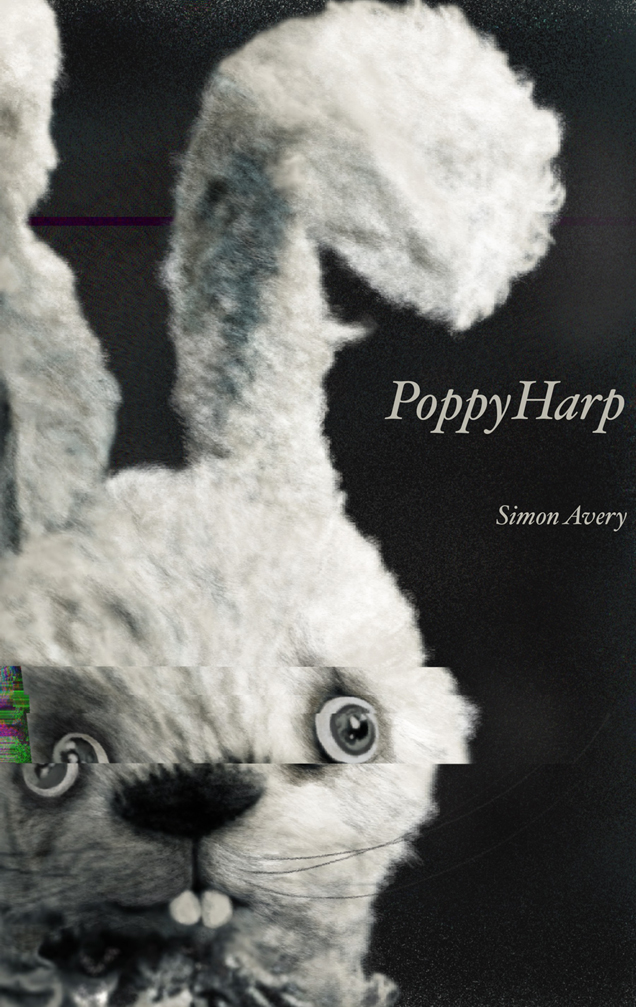
And PoppyHarp himself? An imaginary childhood friend who becomes the titular inspiration for Oliver Frayling’s final tilt at TV success: a 1977 Play For Today. “I’ve always been fascinated by imaginary friends,” says Simon. “And PoppyHarp is deeply woven into the characters’ lives long before they even realise it – in their lonely creativity and their struggles with the truth of their lives.”
Those truths include loneliness and the tragic impact of the 1980s AIDS crisis, and Simon’s novel is a touching evocation of a complex time in British social history. It’s available now from Black Shuck Books.
Meanwhile, Beck Goldsmith and John Dix have been enjoying Max Porter’s acclaimed 2019 novel Lanny, the tale of a missing young boy and his connection to a folkloric sprite called Dead Papa Toothwort. Inspired by their own candlelit readings, the duo – in their musical guise as Chimehours – have crafted Underneath the Earth, a tribute album riddled with suitably creepy folk stylings. “We wanted to capture the sense of something calling to us,” explains Beck. “An ‘otherness’ that exists just outside of what we know”. Weaving dreampop guitars around Beck’s own haunting vocals, it’s hidden beneath the tree fungus at coldspring.bandcamp.com.
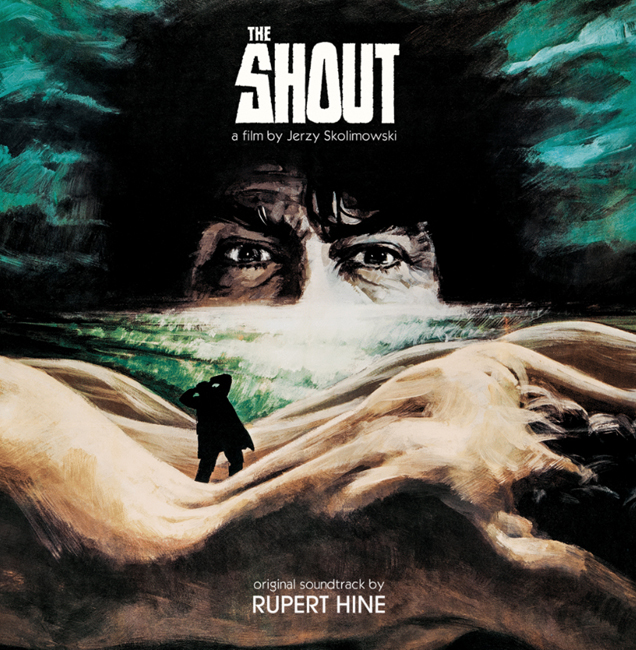
Elsewhere, excitingly, two lost artefacts have resurfaced. In 1978, John Hurt starred as electronic musician Anthony Fielding in The Shout, a bizarre British horror film in which baleful drifter Alan Bates claims to have perfected a deadly yodel with the power to kill. Fielding’s alarming compositions were provided for the film by Rupert Hine – later to find chart success with Quantum Jump – and have now gained a first-ever commercial release over at buriedtreasure.bandcamp.com. And for a more ecclesiastical brand of vintage oddness, I recommend Fire of God’s Love, an extraordinary record of religious songs recorded in 1973 by Australian nun Sister Irene O’Connor. Her co-producer Sister Marimil Lobregat had cultivated an unlikely fascination with early synths and drum machines, lending Sister Irene’s folk-influenced songs a distinctly otherworldly quality, and the album is available for the first time in fifty years from freedomtospend.org.
Other slabs of strangeness drifting through the ether? Drew Mulholland’s album A Portmanteau of Horrors is a terrific homage to the era of Amicus anthology films, combining spooky sound collages with Radiophonic swoops, and it’s available from subexoticrecords.bandcamp.com. And feeling similarly cinematic is James ‘Maps’ Chapman, whose new record Welcome to the Tudor Gate is a pristine evocation of 1980s horror soundtracks – in his own words, “a foreboding land where magic is real and witchcraft is feared”. Feel free to indulge in a bit of the old hubble bubble at mapsmute.bandcamp.com.
Anyone still in the mood for a holiday tipple, though? Using only the power of absinthe, writer Justin Hopper has travelled back to 1912 and London’s real-life occult-fuelled nitespot The Cave of the Golden Calf. Aleister Crowley and Victor Neuburg were regulars, but Justin’s superb, lyrical novella Dead the Long Year focuses on Joan Hayes, a youthful ingenue drawn into this dangerously bohemian circle.
“Joan was a young actress, dancer and suffragette who seems to have beguiled everyone she met,” says Justin. “Ezra Pound wrote two poems about her – including ‘Ione, Dead the Long Year’, from which the book takes its title. Although she was despised by Crowley, who thought she’d stolen Victor from him.”
A fictionalised version of Justin also makes an appearance in the book. Linked to Joan by an antique pistol he buys online, he seeks her resonance in the modern-day absinthe bar now standing on the site of the Cave. “I wanted to write a full biography of Joan, but there wasn’t enough information,” continues Justin. “And I also wanted to write about both the power and the limits of psychogeography. I find its methods and concepts to be charged with a thrilling energy, but I feel jaded by that very same routine. So how do we rediscover the true magick inside these artforms, escaping their cliches while gaining power from their traditions? I guess I combined them into a mere 19,000 words!”
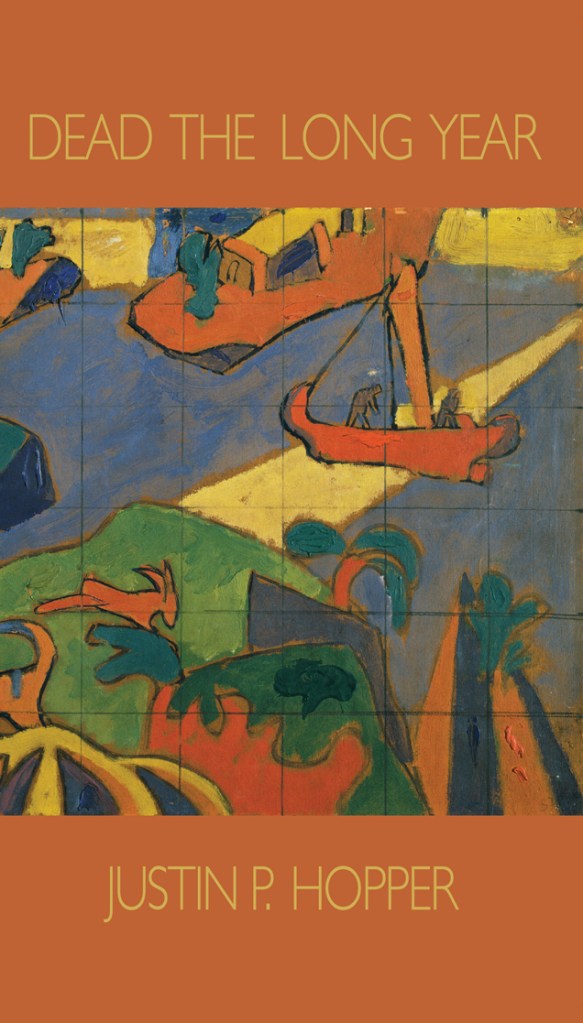
Dead the Long Year is published by Far West Press, but this column takes no responsibility for any further festive experiments with the Green Fairy. Which reminds me, I still have the Christmas washing-up to do…
Why not take out a subscription to Fortean Times? “The World’s Weirdest News” is available here:
https://subscribe.forteantimes.com/
Support the Haunted Generation website with a Ko-fi donation… thanks!
https://ko-fi.com/hauntedgen
 The Haunted Generation