(First published in Electronic Sound magazine #115, July 2024)
LANDMARKS
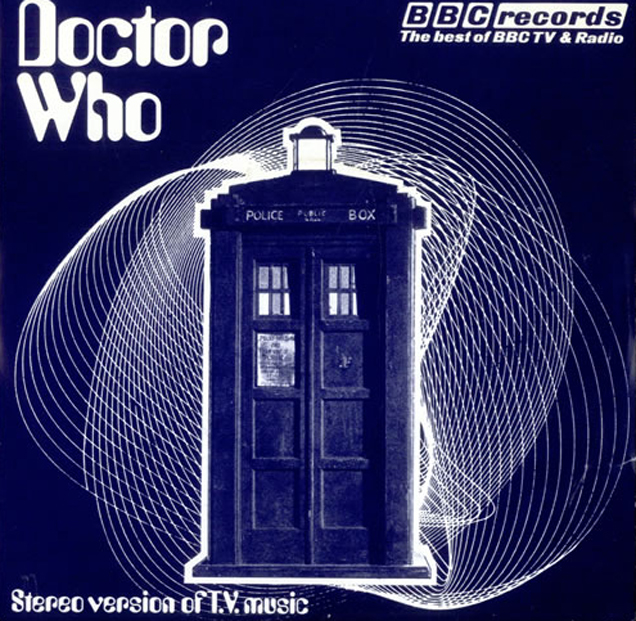
The BBC Radiophonic Workshop’s 1973 album Fourth Dimension was essentially a solo project by Paddy Kingsland. And when his reggae-influenced track ‘Reg’ was selected as the B-Side to the 7” single release of the Doctor Who theme, it introduced a generation of young sci-fi fans to the joys of synthesizers
Interview: Bob Fischer
“The BBC World Service had a producer called Benny Ammar, who asked if the Radiophonic Workshop could write a theme tune for his show. Desmond Briscoe – who was the Workshop’s Organiser – just dished the work out, and the job happened to come to me. Benny was charming, and when I asked what he had in mind, he said ‘I like reggae music’. So that was where the name ‘Reg’ came from! And although I couldn’t make the genuine article, I tried to write something with that kind of flavour. It was 20 seconds long – which is what he wanted – and, as far as I knew, that was that.
“But BBC Records had had some success with the Radiophonic Workshop’s ‘Pink’ album in the late 1960s, and they asked if they could have another one. Desmond said ‘Why don’t we ask the two people who write tunes? One side of the album can be Paddy, and the other side can be John Baker’. And that was the original idea for Fourth Dimension. I got on with my part of it, but sadly John wasn’t terribly well and he didn’t manage to do very much. There was a lot of nagging from BBC Records, and eventually Desmond decided that I should record the whole thing.
“The major record companies didn’t like BBC Records, they thought they had an advantage. And they basically said ‘You can’t make albums like we make albums’. So at this stage, the BBC were only able to release music that had already been broadcast. It was originally suggested we could get around that by recording tracks to accompany the BBC Test Card. And the album would be called Music For The Test Card – there was even a cover made for it.
“But, in the meantime, I was putting together new versions of tunes that I’d previously recorded for different programmes. So I’d done ‘Reg’ for the World Service, ‘Fourth Dimension’ itself for Radio 4, ‘Scene & Heard’ for Radio 1 and ‘The Space Between’ was for a special Radio 3 programme about the Radiophonic Workshop. So I think they maybe realised they didn’t need to do the Test Card thing, and they dumped that idea. Or possibly the Test Card people just said ‘We’re not putting this stuff out…’
“The challenge was expanding these tracks into music for a full album. I wrote a middle eight for ‘Reg’ and I wanted drums and bass on a few of the tracks, so I got a band together and we went into the studio. They weren’t session players, they were people I knew from the BBC. Bryant Marriott – who later ended up as Controller of Radio 2 – played drums, and Nick Gomm – who also played on the soundtrack for [1975 children’s drama] The Changes – played bass. And I played guitar. There’s a tape loop on ‘Reg’ as well… I used a bongo loop that I got from somewhere, and Bryant played over the top of it.
“It was all done in a very light, poppy style and then I took the tapes away and added synths. Mainly the VCS3 synthesizer, although the EMS Synthi 100 is on some of the album as well. John Baker actually plays the rather nice Synthi solo on ‘Vespucci’, and there’s a photo somewhere of him doing it! He was still at the Workshop, and I just went into his room and said ‘You couldn’t do a quick solo, could you?’ He said ‘Oh, alright…’, and it literally took five minutes. But the poor chap really wasn’t very well at all.
“The album was called Fourth Dimension because the BBC thought it was all about space, but that wasn’t really the case. And it was originally going to be credited to Paddy Kingsland and John Baker, but when John dropped out, it just became an album by ‘The Radiophonic Workshop’. And that was fine, I didn’t worry about things like that. The Radiophonic Workshop was more important than its individual members. Although I don’t think Delia Derbyshire was recognised as much as she should have been… or John, really. But the BBC was the thing, we were just working there.
“Then, after the album came out, the BBC needed a B-Side for the 7” single of the Doctor Who theme. So I suppose they thought ‘We’ve got this stuff by the Radiophonic Workshop, why don’t we use it?’ They didn’t ask me, they just told me about it afterwards. So I didn’t realise at first, but it was all very nice.
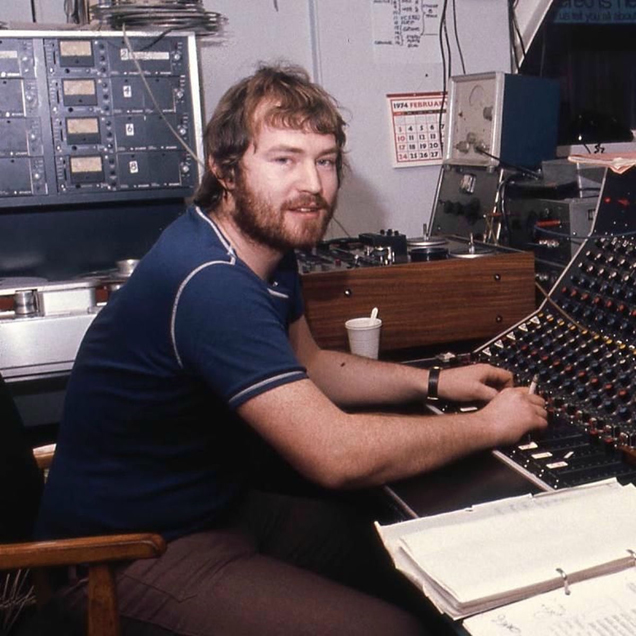
“And it’s funny – about ten years ago, I was working with John Culshaw the impressionist, and he was recording animal voices for something at my studio. And he said ‘The first record I ever bought was yours… not because it was you, because it was Doctor Who!’ I had a copy of the single in the studio, and he insisted I got it out and played ‘Reg’. And the producer in charge of the session was completely bemused by this rather strange bit of music.
“But it’s nice that the people who bought the single liked the B-Side. We did what we could at the Radiophonic Workshop, but we weren’t really aware that this music would be around for so long. It’s quite amazing really, but I sometimes think ‘Oh dear, we really should have spent a bit longer on that!’ A lot of Delia’s tracks have a slightly dodgy rhythmic quality to them, but it’s quite endearing – and I hope my failings of various types feel that way as well.”
Fourth Dimension is available here:
https://www.silvascreen.com/sillp1543-fourth-dimension/
Paddy Kingsland’s autobiography, Rocking At The BBC, is available here:
https://www.amazon.co.uk/Rocking-At-BBC-Still-Auntie/dp/B0BCSBNQB9
Support the Haunted Generation website with a Ko-fi donation… thanks!
https://ko-fi.com/hauntedgen
 The Haunted Generation