(This review first published in Fortean Times No 446, dated July 2024)

CHILDREN’S FILM FOUNDATION BUMPER BOX VOLUME 5
Dir various, UK 1947-80
BFI, £26.99 (DVD)
“The Children’s Film Foundation had a Middle Earth level of complexity!” laughs British Film Institute stalwart Vic Pratt, curator of this latest collection of vintage kids’ flicks. “Everyone was working for minimum rates, so there was no real need to make a big profit. They could be a bit chancey and experimental, and that really paid off. You might come to these films in the hope of some nostalgia, but it’s possible to get into them on their own merits. You don’t even have to be a greying old fuddy-duddy like me…”
For this fifth BFI box set, Vic and his team have assembled a decidedly grimy and gritty selection. While Volume 4 was a giddy riot of dragons, timeslips and venerable British comedians trapped between the pixels of 1980s computer games, Volume 5 is rooted in an often downbeat world of crime, espionage and wartime derring-do. The Secret Tunnel (1947) kicks off proceedings at a gentle trot. The earliest film to have been included on any of these sets, it’s a fascinating example of why – at least according to Vic – early CFF films often failed to connect with working class audiences. Besuited teenagers with cut glass accents? Priceless Rembrandts hidden in the cellars of rambling family mansions? It might have resonated with the teeny, well-to-do Rees-Moggs of this world, but must have seemed incongruous amidst the rowdy, gun-toting Westerns of the ABC Minors cinema club.
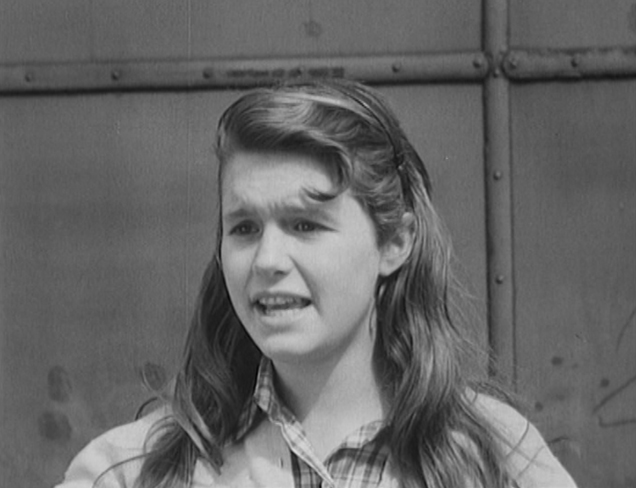
The pace soon picks up, though. Circus Friends (1956) is a showcase for the nascent talents of future kitchen sink queen Carol White, excelling here as a no-nonsense circus teenager riding into battle with a tightwad local farmer. This charming caper was helmed by future Carry On supremos Peter Rogers and Gerald Thomas, and it’s hard not to imagining a guffawing Sid James puffing on a woodbine round the back of the big top. Meanwhile, The Piper’s Tune (1962) stars future big screen Doctor Who kiddie Roberta Tovey as the youngest of a hidden community of children fleeing across the Pyrenees from Napoleon’s advancing armies. Beautifully filmed on location in Snowdonia, it boasts a stridently anti-war message.
By the time we reach The Rescue Squad (1963), we’re firmly into the realms of Vic’s beloved “chancey and experimental” era. Ostensibly the tale of a gaggle of kids attempting to retrieve their model aeroplane from the window of an abandoned tower, it crackles with surreal energy. The tower itself, cobwebbed and darkly silhouetted, feels like an intrusion from some weird, gothic potboiler. And repeated cutaways to one hapless youngster, wandering aimlessly with a tea-chest stuck permanently over his head, echo the quaint British dadaism of The Running, Jumping And Standing Still Film. This deliciously wonky ambience continues into Daylight Robbery (1964), where a troupe of beatnik youngsters are trapped in a half-completed Brutalist tower block with a gang of grizzled, would-be bank robbers. Shot in crisp monochrome from frequently disorienting angles, it comes accompanied by an atonal modern jazz score by composer Tristram Cary, epitomising an era when exposing school-age children to a healthy dose of the avant-garde was seen almost as a matter of civic duty.
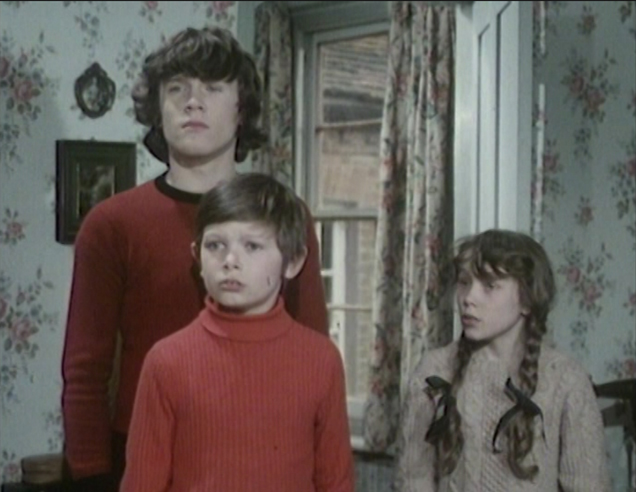
And if All At Sea (1969) is an atypically lavish romp across continental Europe, then The Hostages (1975) is 1970s CFF at its claustrophobic finest. It also gives the irrepressible Robin Askwith the opportunity to show off a rarely-seen facet of his talents. Playing the psychopathic Terry, one of brace of escaped convicts holding a trio of children hostage in their remote farmhouse, he puts in a compellingly disturbing performance. “Did the horrible man smash Mummy’s pretty things?” he sneers, demolishing the parental bedroom while keeping one hand clamped firmly around the throat of the youngest daughter. Bleak, brilliant and genuinely tense, it’s the undoubted highlight of the set: a film that feels like an unfairly sidelined cousin to The Sweeney or even Get Carter.
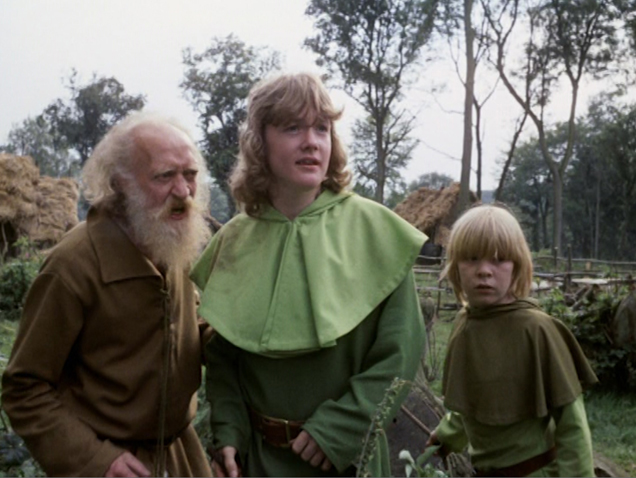
A starring role for the teenage Keith Chegwin in Robin Hood Junior (1975) inevitably lightens the mood, but it’s less of a cheery romp than you might imagine, and has elements of the bitter, anti-authoritarian message of much-loved 1980s TV staple Robin Of Sherwood. And rounding off proceedings is The Boy Who Never Was (1980), a gutsy tale in which typical ‘Gor Blimey’ CFF kids attempt to foil the assassination of a visiting African president. Its opening scene – the effective demonstration of a car bomb amid the rusting pipes of an industrial wasteland – emphasises just how far the CFF had come in the 33 years since that jolly spiffing Rembrandt in the cellar was spirited away through a hidden passage by dashed unsporting cads and bounders.
Bundled together with a selection of vintage shorts (including the groovy “psychodrastic” decorating of 1970s tearaways The Chiffy Kids) it’s a collection that, once again, showcases the sheer range of The Children’s Film Foundation. For almost forty years, this quietly subversive institution acted almost as a parallel universe British film industry, its features shown fleetingly then abandoned to languish for decades in dusty vaults. And those “merits” that Vic mentions? Charm, audacity and a sense of intoxicating weirdness that rarely fails to simmer to the surface. Long may these lovingly compiled box sets continue to shine a light on this unjustly neglected cinematic treasure trove.
*****
The Children’s Film Foundation Bumper Box Vol 5 is available here:
https://shop.bfi.org.uk/childrens-film-foundation-bumper-box-vol-5.html
Full Vic Pratt interview here:
https://hauntedgeneration.co.uk/2024/05/27/vic-pratt-the-childrens-film-foundation-and-robin-hood-junior/
Support the Haunted Generation website with a Ko-fi donation… thanks!
https://ko-fi.com/hauntedgen
 The Haunted Generation